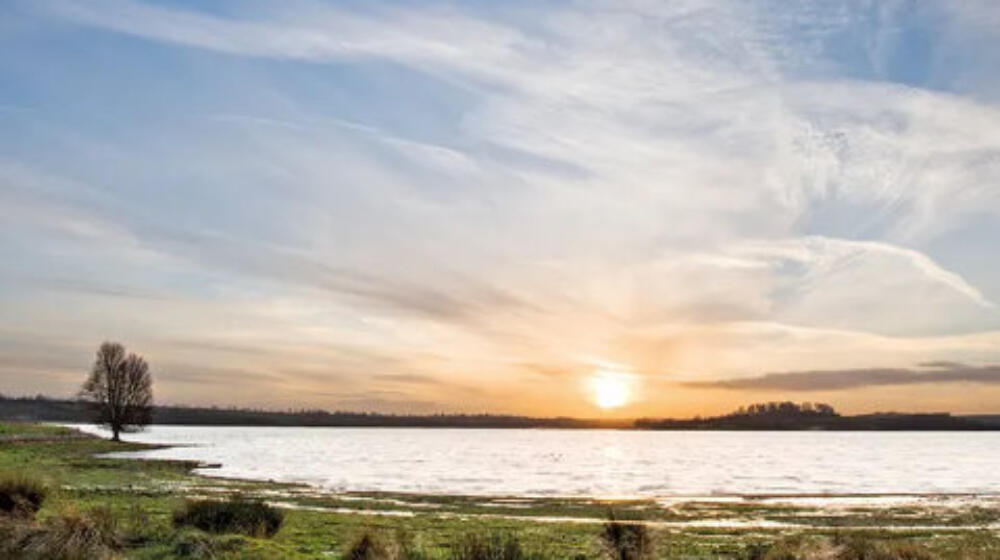
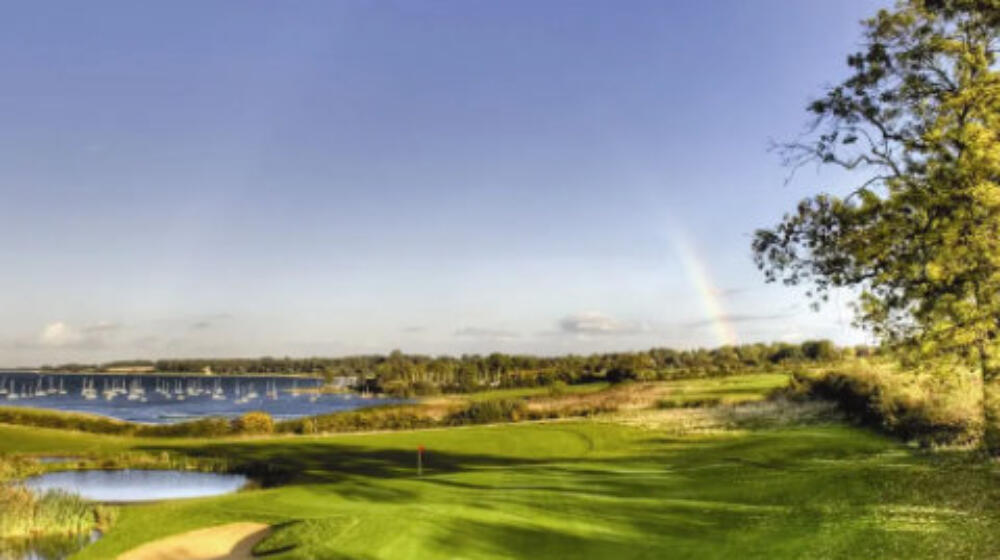
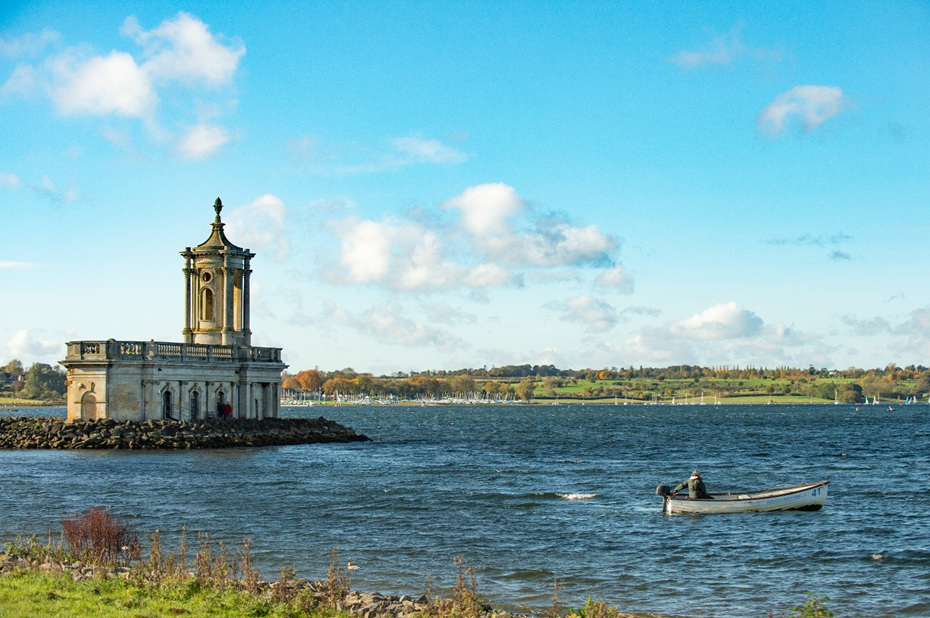
Nestled in the heart of England, Rutland Water is one of the country’s premier nature reserves, offering a spectacular habitat for a rich diversity of wildlife. This expansive reservoir, created in the 1970s, covers over 1,200 hectares and is surrounded by woodlands, grasslands and wetlands, making it a haven for birds, mammals, insects, and aquatic life. Visitors can explore the reserve along a network of trails, hides, and observation points, providing ample opportunities to spot some of the region’s most remarkable species.
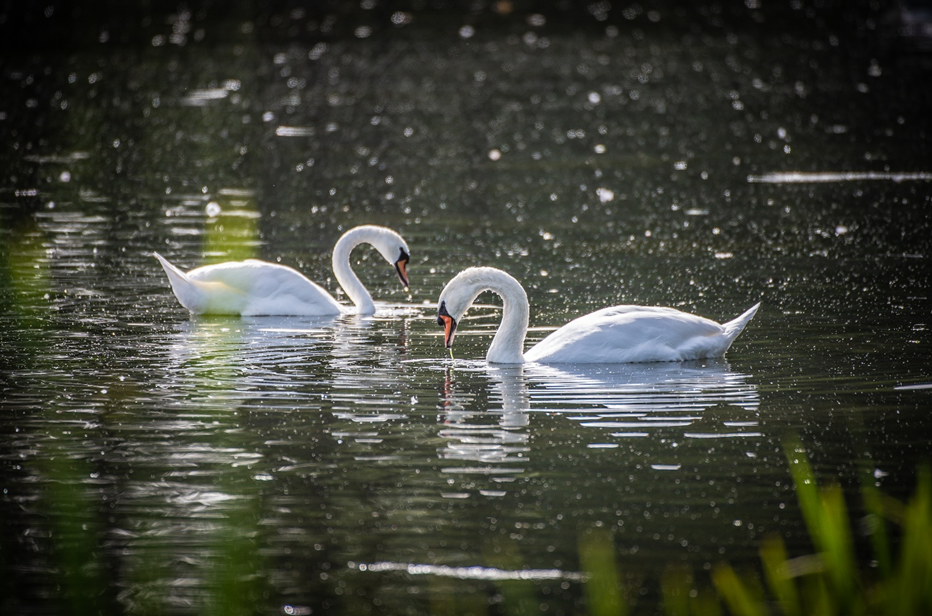
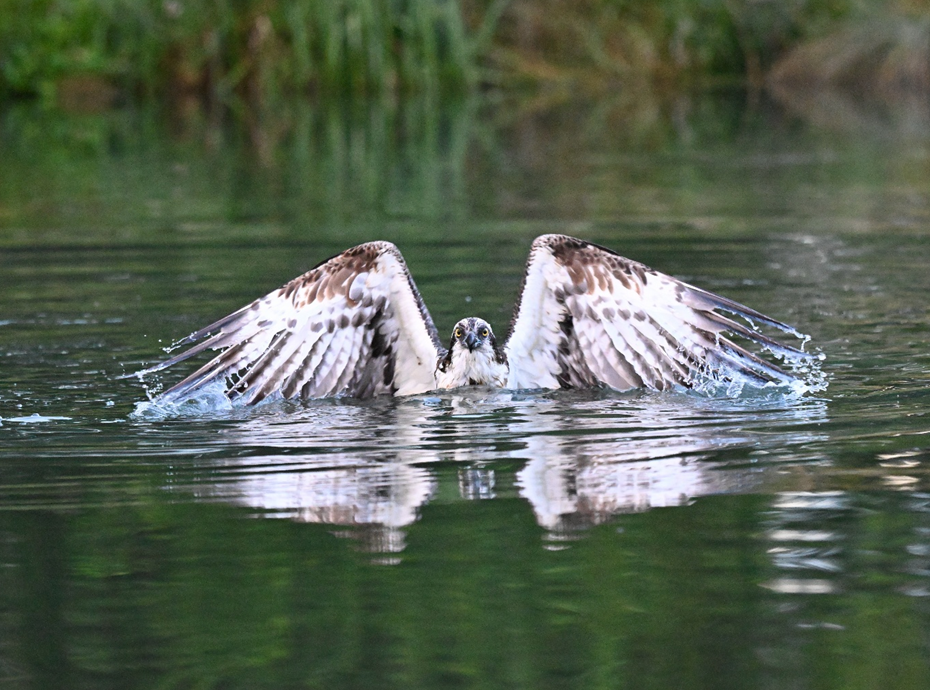
Birdwatchers will find Rutland Water particularly captivating. The reserve is renowned for its migratory and resident bird populations, making it a hotspot for ornithologists and casual visitors alike. Among the most celebrated residents are ospreys, which return each spring to nest in specially designed platforms overlooking the water. Watching these majestic raptors dive gracefully to catch fish is a truly unforgettable experience. In addition to ospreys, the reservoir supports large populations of ducks, geese, and swans, including gadwall, teal, pochard, and the iconic mute swan. Winter months bring flocks of wigeon and goldeneye, while spring and autumn see an array of migratory species passing through. For those keen to explore further, the birdwatching hides around the reserve offer peaceful vantage points to observe everything from common moorhens to elusive bitterns.
Rutland Water is also home to a variety of mammals. Roe deer can often be spotted grazing along the woodland edges, while foxes and badgers are occasionally seen during quieter periods. Water voles, a rare and protected species, thrive along the reservoir’s banks, providing a glimpse into the fragile ecosystems supported by the wetland habitat. Bats are also active at dusk, swooping gracefully over the water in search of insects, adding a nocturnal dimension to the wildlife experience.
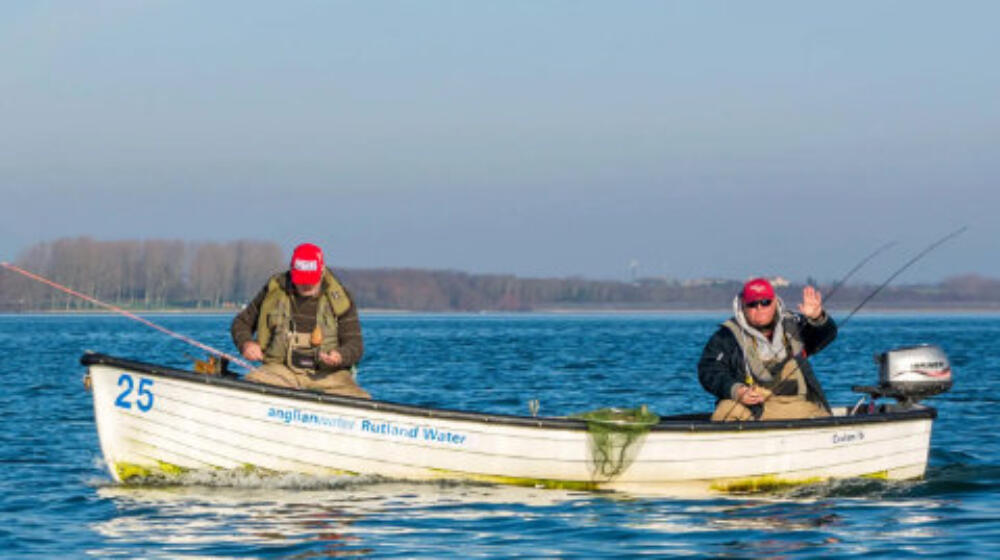
The aquatic life of Rutland Water is equally fascinating. The reservoir supports a wide range of fish, including trout, pike, and perch, which in turn attract birds of prey and fishing enthusiasts. Dragonflies and damselflies are common in summer, skimming over the water’s surface, while frogs, newts, and other amphibians thrive along the reed beds and shallows. The diversity of plant life, from reed beds to wildflower meadows, provides food, shelter, and breeding grounds for countless invertebrates, contributing to the overall health of the ecosystem.
Visitors to Rutland Water can enjoy guided wildlife walks, photography workshops, and educational programs offered by the reserve. Seasonal events, particularly during the spring and autumn migrations, offer unique opportunities to witness the interplay between wildlife and habitat at its most dynamic. Whether you are an avid birdwatcher, a nature photographer, or simply someone seeking a peaceful encounter with nature, Rutland Water provides a rich and immersive experience. Its combination of water, woodland, and grassland habitats ensures that every visit brings the chance to discover something new, making it one of England’s most treasured wildlife destinations.