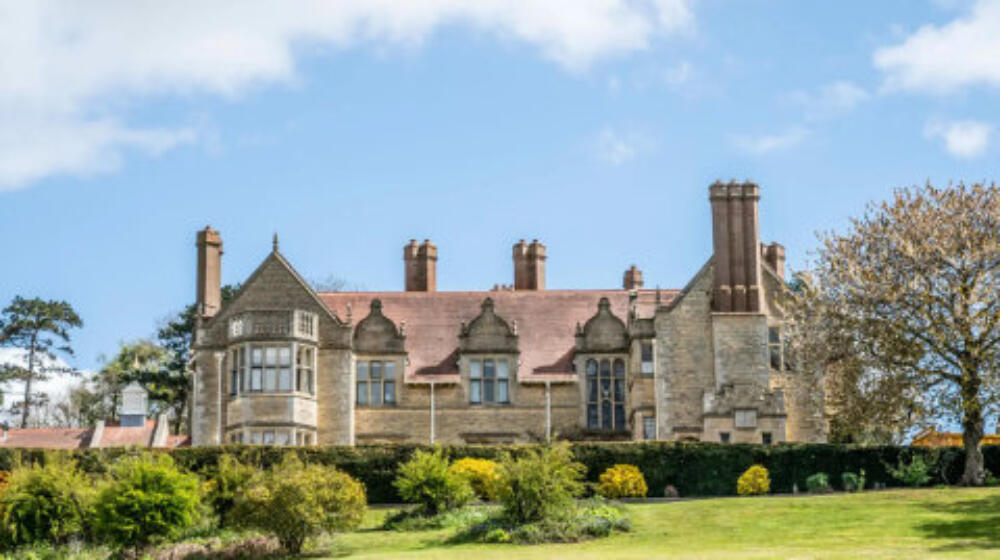
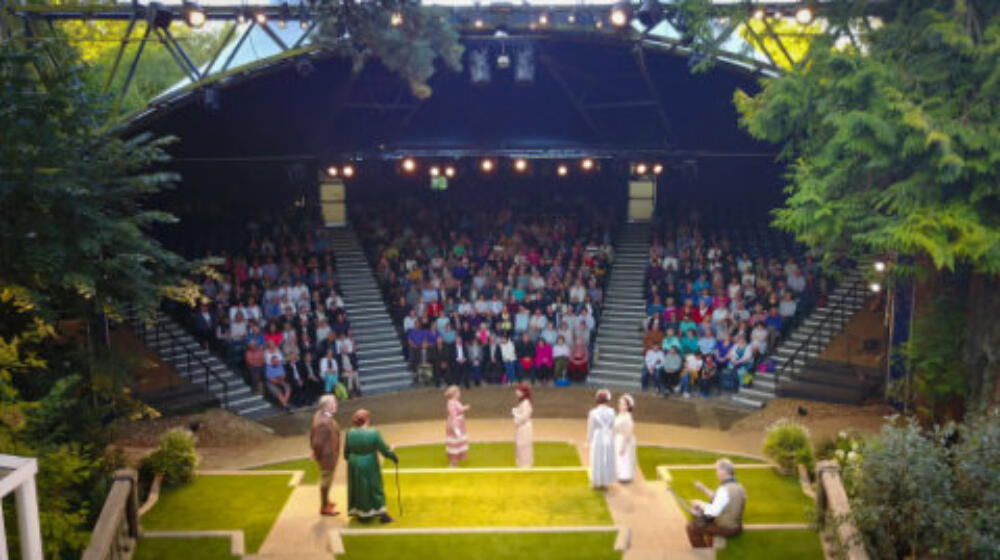
Rutland’s rich history includes the establishment of Uppingham School and Oakham school in 1584, which were among the earliest public schools in England. The county’s heritage is preserved through various local history societies and resources, such as the Rutland Local History and Record Society and the Rutland County Museum.
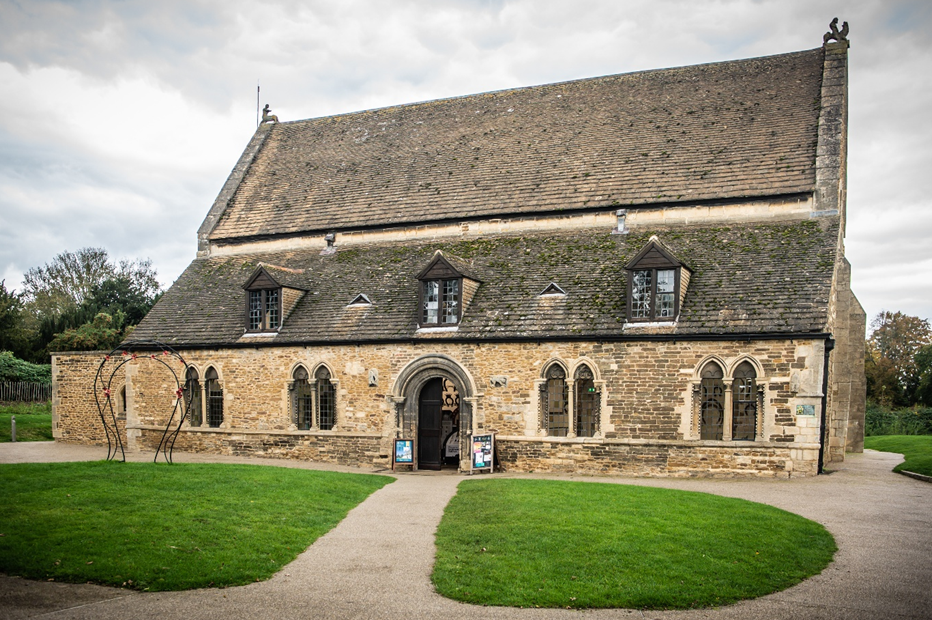
Rutland, England’s smallest historic county, is a treasure trove for visitors interested in heritage, architectureand local history. Despite its modest size, the county is packed with remarkable historic sites that span from medieval castles to ancient churches and abandoned villages. A visit to Rutland allows travellers to explore centuries of English history while enjoying charming rural landscapes. One of the most significant landmarks in the county is Oakham Castle, located in the market town of Oakham. Built around 1180–1190, Oakham Castle is one of the finest examples of Norman architecture in England. The castle’s great hall, with its impressive timber roof, has remained largely unaltered for over eight centuries, providing a vivid glimpse into medieval life. Oakham Castle is also famous for its unique horseshoe tradition, where visiting peers of the realm historically presented ceremonial horseshoes that are still displayed in the hall today. Visitors often marvel at the sheer scale and craftsmanship of the hall, making it a must-see for history enthusiasts and architectural admirers alike.
Another site of great historic significance is Lyddington Bede House, a property now cared for by English Heritage. This building began as a medieval bishop’s palace and later served as almshouses, reflecting the evolving social and religious history of Rutland. The house features period rooms, beautifully maintained gardens, and architectural details that provide a tangible link to the medieval past. Walking through Lyddington Bede House, visitors can imagine the lives of the bishops and residents who once inhabited the building. In addition to these grand historic buildings, Rutland boasts a number of ancient churches that are both architecturally significant and steeped in local heritage. St Andrew’s Church in Whissendine is a large 13th-century church with striking medieval architecture, while the Church of St Mary the Virgin in Edith Weston and the Church of St John the Evangelist in Ryhall offer examples of early English ecclesiastical design and centuries of religious tradition. These churches often feature stained glass, stone carvings, and memorials that tell the stories of the local communities across generations.
Beyond Rutland itself, the surrounding region is rich with historic estates and castles. Rockingham Castle, with its medieval roots, and Burghley House, a magnificent Elizabethan mansion near Stamford, provide additional layers of history for visitors willing to explore a bit further. Another remarkable site is Belvoir Castle, a grand stately home perched atop a hill in Leicestershire, just a short drive from Rutland. Belvoir Castle, with its impressive medieval and Regency architecture, has been home to the Dukes of Rutland for centuries and features lavish interiors, extensive gardens, and panoramic views of the surrounding countryside.
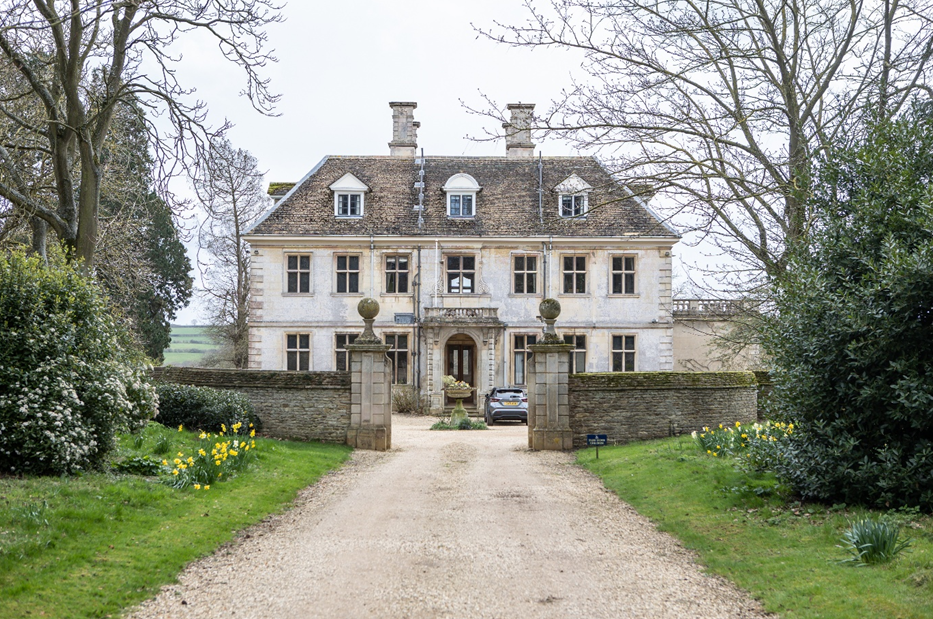
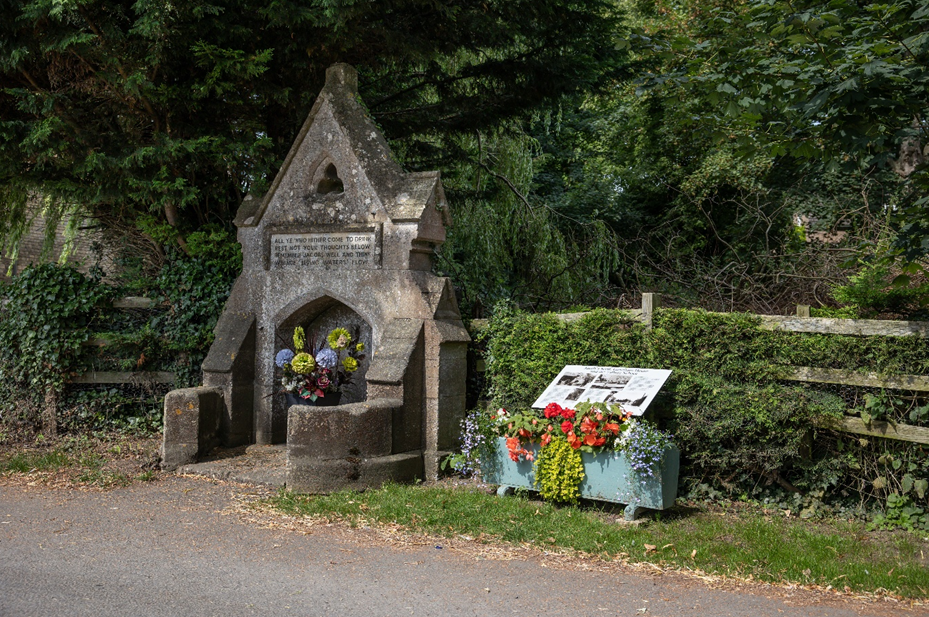
Visiting Rutland is a unique opportunity to experience the depth and breadth of England’s heritage in a compact and accessible area. With its combination of Norman castles, medieval churches, local museumsand historic landscapes, Rutland offers a deeply enriching experience for history enthusiasts, photographers, and casual visitors alike. Whether exploring the grand halls of a country pile, strolling through ancient churches or admiring the iconic Normanton Church on Rutland Water, visitors are sure to leave with a profound appreciation for this historic county and its enduring legacy.