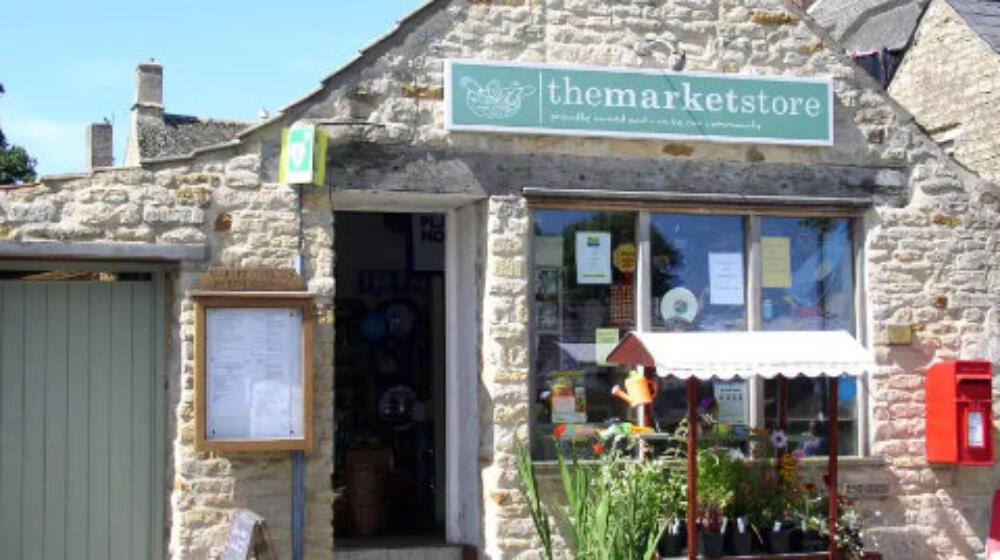
Rutland is a unique place, defined by its small size, peaceful countryside and timeless English character. The county has no cities and only two main towns: Oakham and Uppingham. Oakham, the county town, is steeped in history and home to the remarkable Oakham Castle. Its Great Hall, one of the finest surviving Norman halls in England, is famous for displaying hundreds of ceremonial horseshoes given by visiting royalty and nobility. Uppingham, in contrast, has a more contemporary charm, with elegant streets, independent galleries, cafés and shops. Both towns retain the character of traditional market towns, where family-run businesses and local producers thrive.
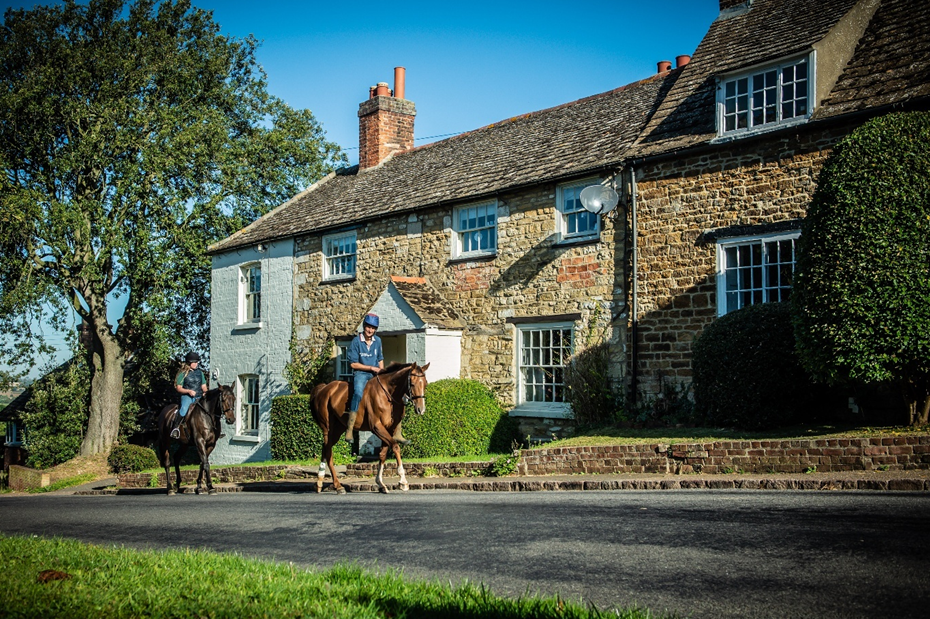
Beyond the towns, Rutland’s landscape is dotted with picturesque villages built from warm limestone. Villages such as Exton and Whissendine showcase the quintessential English countryside, with historic churches, quiet lanes and welcoming pubs. The unhurried pace encourages visitors to explore on foot, enjoy the scenery, and fully embrace the tranquillity of the area.
Rutland’s agricultural heritage remains a vibrant part of daily life, deeply influencing the county’s food and drink culture. Local pubs, tearooms, restaurants and farm shops proudly showcase seasonal ingredients sourced from nearby farms, ensuring that fresh, locally grown produce is always at the heart of every meal. You’ll find plenty of artisanal producers and family-run businesses making everything from cheeses to baked goods and preserves. Known affectionately as “The County of Good Taste,” Rutland places food production and local ingredients at the centre of it’s food offering, giving visitors a chance to savour the authentic flavours of this unique corner of England.
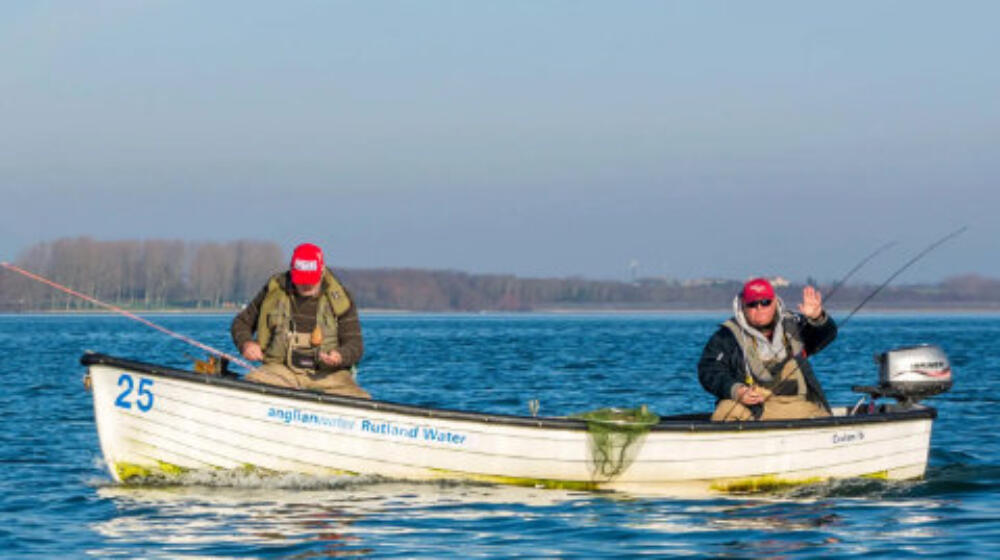
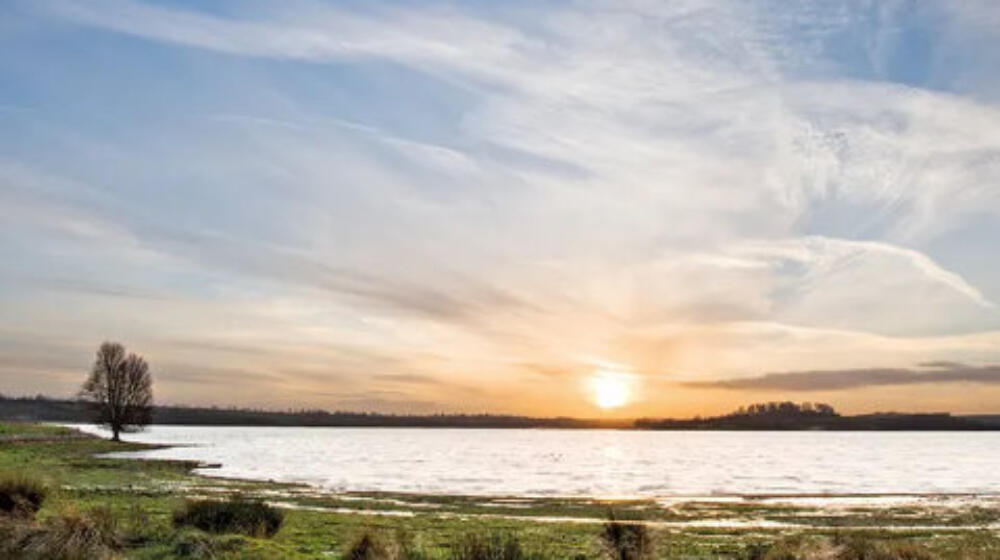
At the heart of the county lies Rutland Water, one of Europe’s largest artificial lakes and a hub for outdoor recreation. Its 23-mile perimeter path draws walkers and cyclists, while the water itself hosts sailing, kayaking, and paddleboarding. Adjacent to the reservoir, Rutland Water Nature Reserve is internationally recognised for its wildlife, particularly the successful reintroduction of ospreys – a rare chance to see these birds thriving in England once again.
Perhaps the most defining aspect of Rutland as a tourist destination is its atmosphere. Unlike many more crowded regions of England, it offers a peaceful and relaxing environment where visitors can enjoy countryside walks, scenic cycling routes and the charm of village life without the pressures of mass tourism. This slower pace makes Rutland particularly appealing to travellers who want to escape busy cities and experience a quieter, more traditional side of England. The county’s landscapes of rolling fields, stone villages, and open countryside create a calm and welcoming setting that encourages exploration and relaxation.

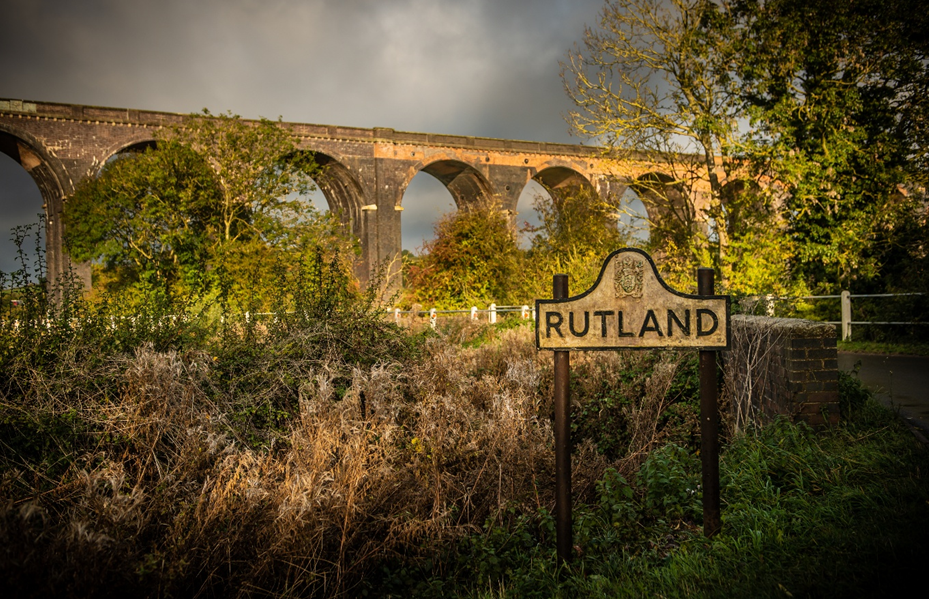
Another reason Rutland stands out as a fanastic destination is its strong sense of local identity and community. Despite being the smallest historic county in England, it maintains a proud heritage that is reflected in its local traditions, marketsand events. Visitors often find that the county’s small scale adds to its appeal, as it allows them to experience a more personal and authentic connection with the area. Local businesses, independent shops and traditional pubs contribute to the welcoming atmosphere and give tourists the chance to enjoy locally produced food and drink.
In essence, Rutland’s uniqueness lies not in its size but in its carefully preserved rural beauty, strong community traditions and variety of natural attractions. Key locations such as Rutland Water provide opportunities for outdoor recreation, while historic market towns like Oakham and Uppingham showcase the county’s cultural heritage and architectural character.
Compact yet richly varied, Rutland is easy to explore while remaining wonderfully unspoiled. Its combination of natural scenery, heritageand peaceful atmosphere makes it a truly distinctive destination for anyone seeking the charm and tranquillity of rural England.