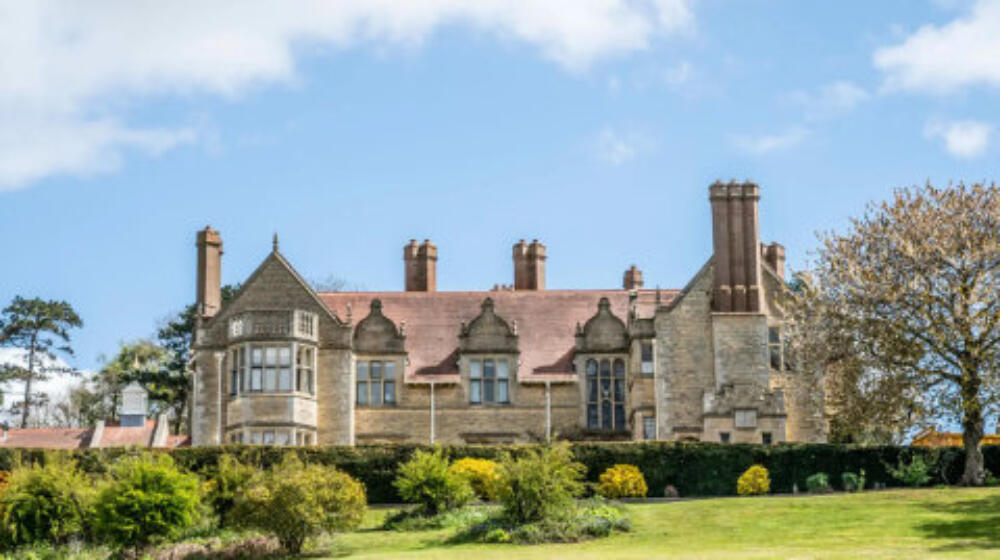
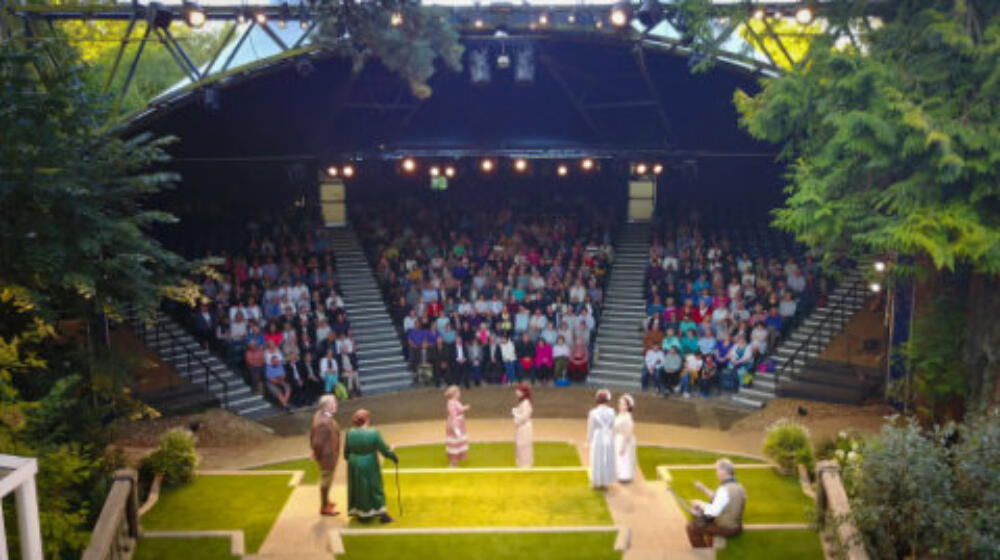
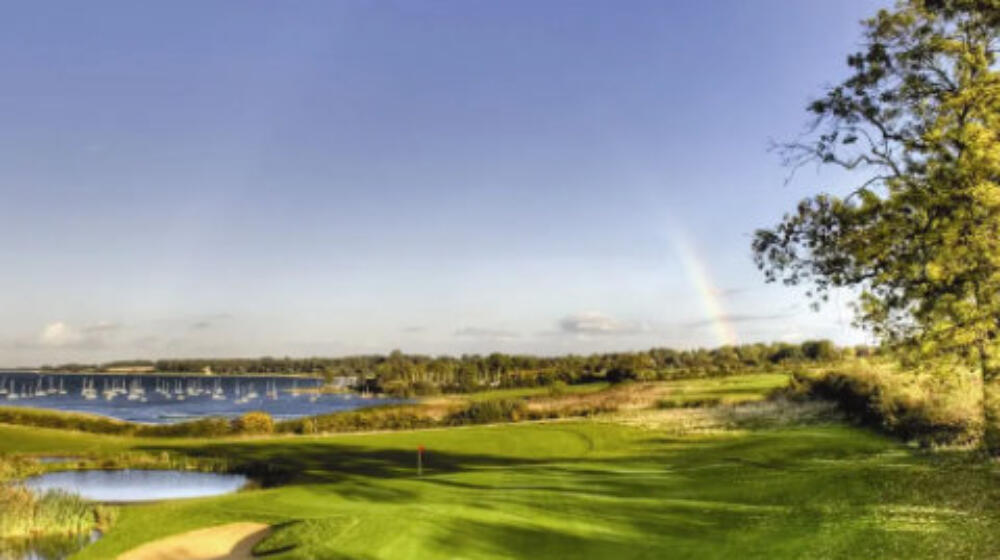
Rutland has two quaint county towns and over 50 glorious villages. Oakham is known for it’s medieval history, scrumptious food & stylish shopping. Rutland County Museum is a great place to start your visit so you can get to know the fascinating history of the county alternatively you can step back in time with a visit to Oakham Castle,
Uppinghamis steeped in history with its honey-coloured buildings and has been a functioning market town since the 14th century. Uppingham is a great place for art and antiqueswith a number of distinguished shops and art galleries displaying work from acclaimed artists from around the world.
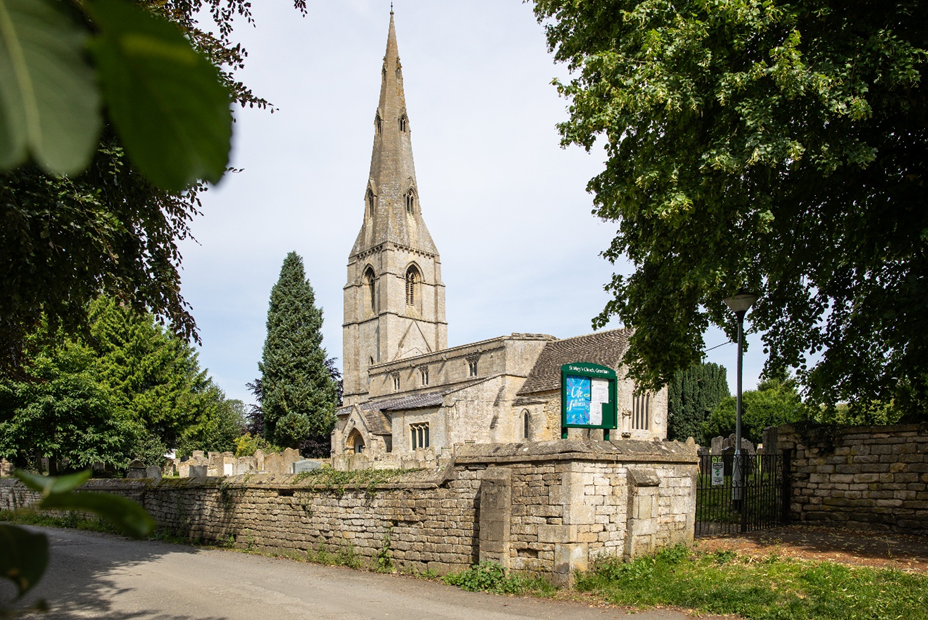
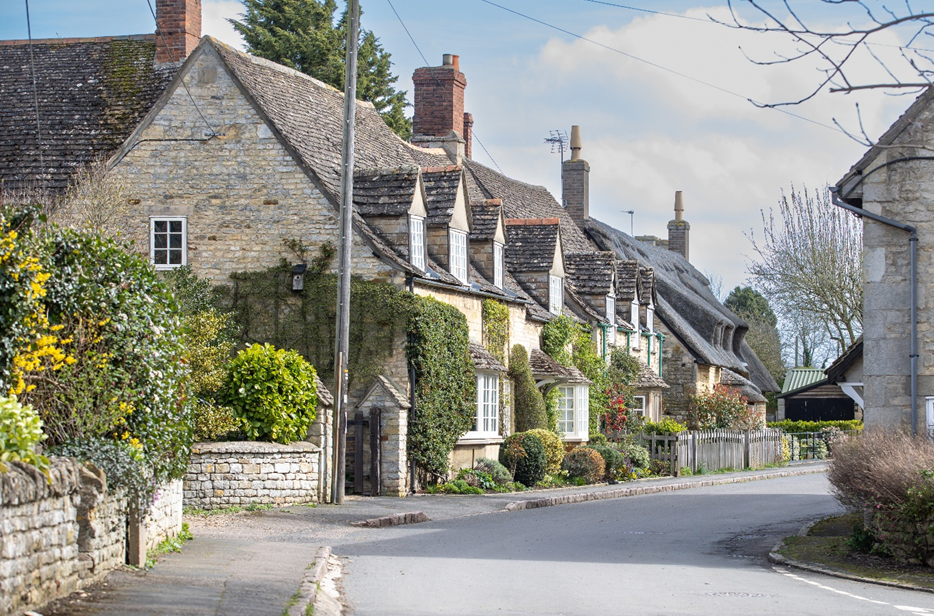
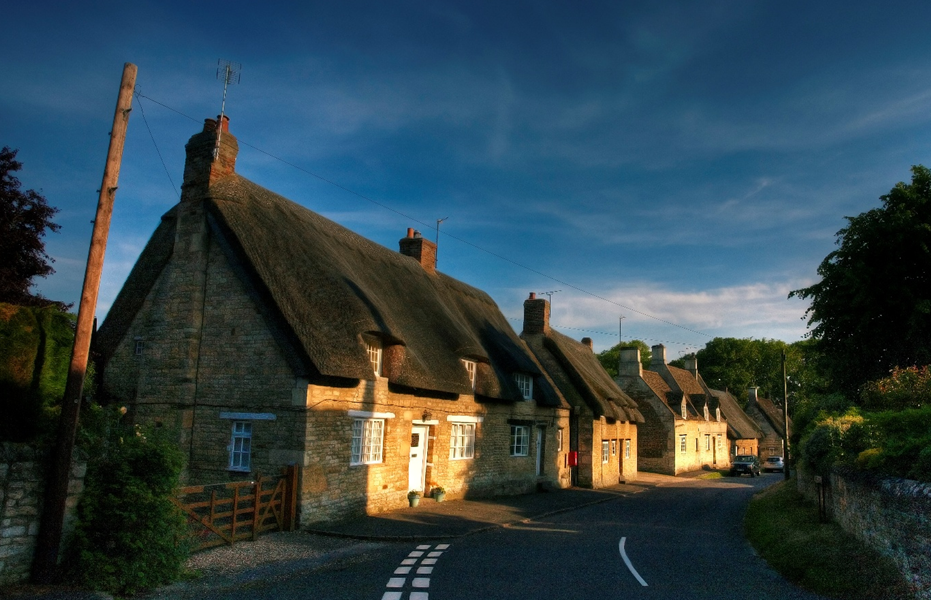
These days, retreating to a quintessentially English village for a relaxing weekend break can be a welcome diversion from the stress of everyday life. There are some beautiful villages in Rutland- we would be hard pushed to chose which are the most charming!
Some village highlights are:
Stoke Dry: A small village of around 14 houses nestled in the hillside overlooking the Eyebrook Reservoir. It is said to be the village where the Gunpowder Plot conspirators met in a small room above the porch of the church.
Ashwell: This village is thought, by some, to have taken its name from the Ash lined stream near the village. It is situated just 2 miles from Oakham and it boasts one of the few remaining ‘Request Railway Crossings’, where travellers have to manually press a button to request the opening of the crossing gates to walk over the railway.
Gunthorpe: William the Conqueror made reference to Gunthorpe in the Domesday book. The population grew to several hundred before being devastated by the plague in the 14th Century. Today Gunthorpe remains as one of Rutland’s tiniest inhabited Hamlets.
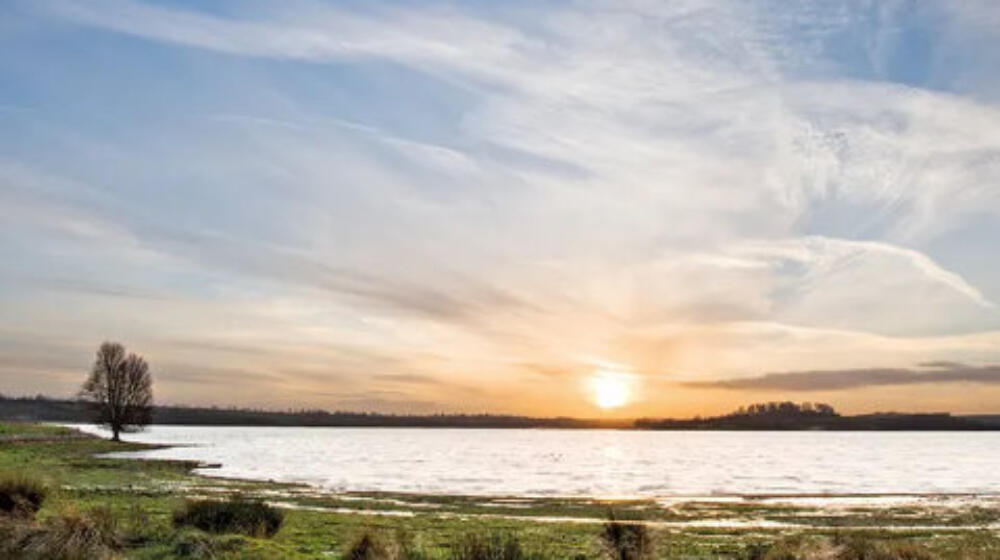
Hambleton: Meaning ‘the settlement’ (tun) ‘on the crooked hill’ (Hamble). The village is situated on the Hambleton Peninsula with Rutland Water surrounding it on three sides. Hambleton boasts incredible views in all directions and pretty walks along the peninsula that take walkers and cyclists through bluebell woods in Spring.
Market Overton: The settlement at Market Overton probably dates back to Roman times as many artefacts have been found in the village. The Village was also important in Saxon times and there is evidence of an early pagan cemetery to the south-east which has produced many excellent grave findings. The village green is thought to mark the location of the medieval market place and gives the village it’s name. Today, the village green is home to reminders of the past with the village stocks and whipping post!
Whitwell: Named after the spring which flows from beneath the church, which is called ‘the white spring’, or ‘the white well’. Whitwell claims to be twinned with Paris, France. In the 1970’s, regulars from the local pub wrote to the Mayor of Paris proposing this twinning with a tight deadline for a response. As no answer arrived from the Mayor’s office by this set date, the village unilaterally declared itself to be twinned and erected road signs to that effect!
Edith Weston: Edward the Confessor bequeathed Rutland to his wife Edith of Wessex. ‘The extreme western area of Edith’s lands’ is probably how the village came by it’s name.
Greetham: The main landmark is the broach spire of the medieval village church which is perhaps the finest of its kind in England. Archaeological finds demonstrate that the village has been occupied through the Neolithic, Bronze and Iron ages, and a pottery kiln from the Roman period has been found. In 1290 King Edward I stayed with the Earl of Warwick at the Manor House (long since demolished) which had its own enclosed deer hunting park.
North Luffenham: Discovery of an Anglo-Saxon cemetery to the north of the modern village suggests that there were people living here in the 5th and 6th centuries A.D. The village grew and prospered during the Middle Ages. In the 17th century the village was the scene of a small English Civil War siege when in 1642 Lord Grey and his parliamentary forces were gathered at Leicester. With gunpowder and ammunition taken in raids on Oakham, they marched to Brooke to arrest Viscount Campden. Henry Noel, a known royalist, heard of this and decided to take a “little guard” into his house, Luffenham Hall. There was little actual fighting and outnumbered by seven to one, Henry Noel had little choice but to surrender.
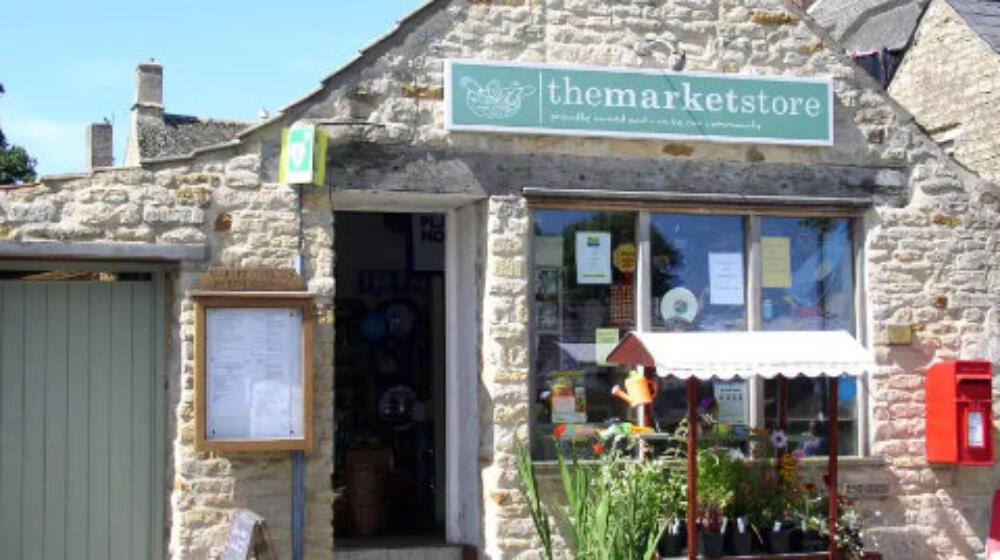
So if an authentic countryside experience, complete with picturesque country cottages, country pub and village green is what’s required, Rutland cannot fail to impress.