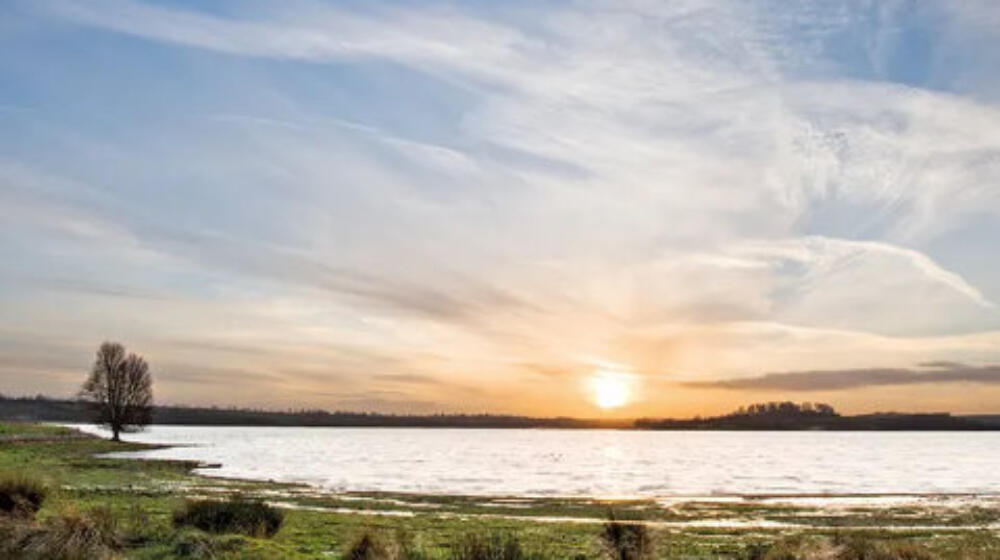
The Rutland Water Nature Reserve is internationally famous and provides one of the most important wildfowl sanctuaries in Great Britain, regularly holding in excess of 25,000 waterfowl. Home to the Rutland Osprey Project, it is a fantastic place for birding and getting closer to nature. It also made international news in 2022 for uncovering the fossil of the Rutland Sea Dragon – Britain’s largest complete fossil of an Ichthyosaur, at around 10 meters in length.

Internationally Important
Rutland Water Nature Reserve is a Site of Special Scientific Interest, designated as a European Special Protection Area and internationally recognised as a globally important wetland RAMSAR site.
Rutland Water Nature Reserve occupies shore line and shallow water lagoons along 9 miles of the western end of Rutland Water and covers a total area of 1000 acres. There are over 30 bird watching hides (many of them accessible for wheelchairs/pushchairs) and nature trails from two visitor centres with experts to help you with identification.
Visitor Centres
The Anglian Water Birdwatching Centre at Egleton (LE15 8BT) is open year round and affords excellent views, In Focus optic shop, a gift shop offering refreshments, and helpful staff and volunteers on hand to offer assistance. This is the main gateway to the larger part of the reserve where you can discover a huge variety of birds and wildlife and visit the many hides.
Lyndon Nature Reserve & Visitor Centre (LE15 8RN) lies on the south shore of the reservoir and is open during spring and summer. Enjoy hearing the stories of the Rutland Osprey Project in the visitor centre (complete with facilities, refreshments and a shop), then enjoy a walk through the meadows, stopping off at a hide or two on the way, to Manton Bay – and see nesting ospreys for yourself.
Day Permits and short break permits are available, valid for 4 days (discount available for Leicestershire & Rutland wildlife trust members).
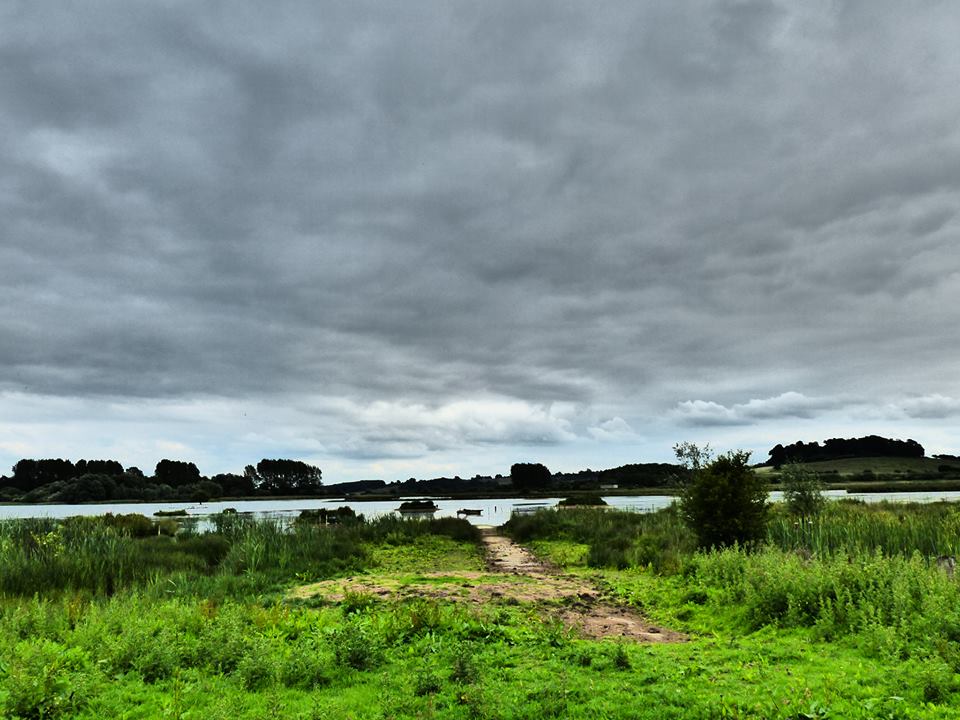

Rutland Osprey Project
Rutland Water is home to the first Ospreys to breed in England for 150 years, after a translocation programme was set up in 1996.
The Rutland Osprey Project has seen over 300 osprey chicks fledge from Rutland since 2001. See these magnificent birds from their arrival from Africa in spring, through to their autumn migration.