
Winter is one of the most exciting seasons for wildlife in Rutland. As cold weather pushes birds south from northern Europe, Rutland Water and the surrounding countryside come alive with thousands of ducks, swans, grebes, winter thrushes and elusive mammals. With the leaves gone and visibility improved, it’s the perfect time to explore the area and enjoy some unforgettable sightings.
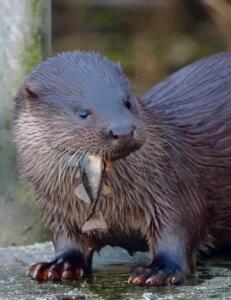
Photo Credit – Tony Marshall @tonymarshall.522
Rutland Water becomes the main stage for winter wildlife. The Egleton Nature Reserve is one of the best places to start, where the lagoons hold huge flocks of wigeon, pochard, tufted ducks and shoveler. Many duck breeds can be seen diving close to hides such as Goldeneye and Gadwall while Whooper Swans sometimes join the resident mute swans, particularly around fishponds and the edge of the North Arm.
Some of Rutland’s most sought-after winter visitors favour specific areas. Smew are best looked for on Lagoon 1 at Egleton or on the western end of the North Arm near Whitwell. On calm days, you may also spot scarce grebes such as Slavonian, Red-necked or Black-necked Grebe, best viewed from long-range lookouts around Barnsdale Woods and the Hambleton Peninsula. The reedbeds are particularly active at this time of year. Bitterns occasionally appear in the early morning at Lagoon 2, while Great White Egrets and Little Egrets feed in the shallows near Lyndon, Manton Bay and the inlet streams.
Beyond the reservoir, the wider Rutland countryside is equally rewarding. Hedgerows around Hambleton, Exton, Empingham and Ketton fill with winter thrushes such as Fieldfare and Redwing, which move in noisy flocks and strip berries from hawthorn and rowan. Wooded areas like Barnsdale Woods, Clipsham Park Wood and the paths around Hambleton hold siskin flocks, bullfinches, treecreepers, nuthatches and mixed tit groups, all of which are easier to see when the trees stand bare.
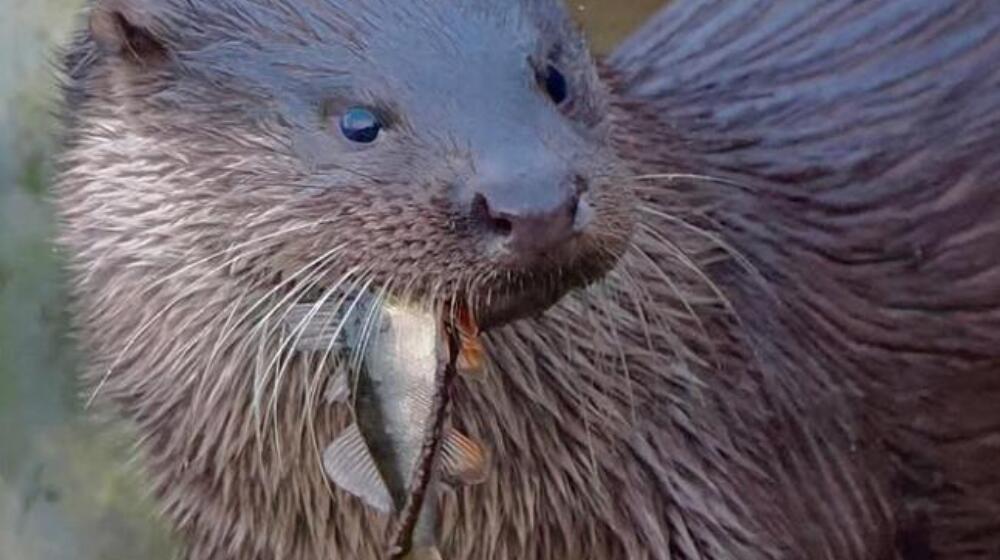
Winter is also prime time for those mammals who can survive the cold winter with their thick fur, feathers and layers of blubber. Otters are sometimes spotted in the quieter corners of Rutland Water, particularly around Lagoon 5 and in sheltered bays along the peninsula. Muntjac deer browse along woodland edges around Hambleton and Barnsdale, while brown hares are regularly seen in open farmland between Egleton, Manton and Normanton. Foxes often appear at dusk as they hunt along reedbed margins.
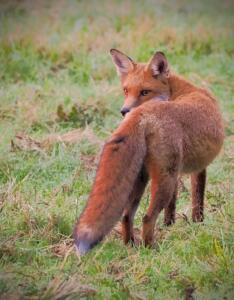
Photo Credit – Tony Marshall @tonymarshall.522
Rutland offers outstanding wildlife experiences at this time of year. From divers on the North Arm to Bitterns in the reedbeds and winter thrushes in village hedgerows, the season reveals a quieter, richer side of the landscape. Wrap up warm, bring binoculars and enjoy discovering Rutland’s winter wildlife at its very best.
Why don’t you take Tim Appleton’s Top 10 Winter Water Birds list and tick them off as you spot them?
